Looking Ahead in 2026
The new year brings a more balanced housing market. Buyers are deliberate, sellers are strategic, and decisions focus on location, condition, and timing rather than urgency.
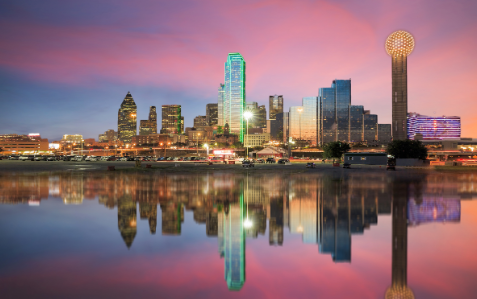
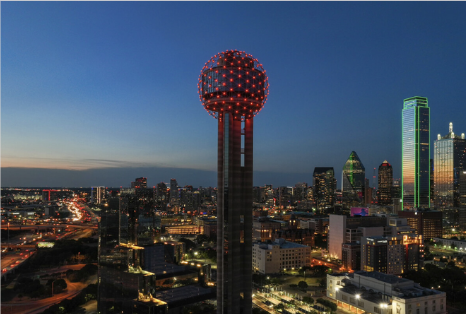
In Dallas–Fort Worth, population growth, infrastructure investment, and economic diversification support steady demand. Affordability is still a consideration, but income growth and stabilizing mortgage rates are improving confidence.
2026 favors preparation and long-term thinking, rewarding those who plan carefully rather than chase speed.
Dallas Isn’t Just Growing — It’s Being Rewired
Dallas–Fort Worth is entering a new phase of growth, shaped by nearly $50 billion in mega-projects that are transforming how the region moves, connects, and competes. This isn’t just about buildings or highways—it’s about future-proofing the city. Connectivity is key. DFW Airport expansions, including Terminal F and major upgrades to Terminal C, are turning North Texas into a global hub. More international gates mean more corporate relocations, talent, and investment.
The Silver Line rail, connecting Plano, Richardson, Addison, and DFW Airport, reduces highway dependence and supports transit-oriented development.
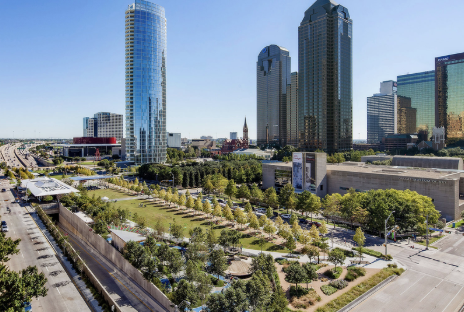
Dallas is also reconnecting its neighborhoods. Harold Simmons Park transforms the Trinity River from a barrier into a 250-acre civic connector, and Southern Gateway Deck Park stitches Oak Cliff back together. These projects show a shift from traffic-first planning to people-first development.
Economic diversification is another focus. Pegasus Park and the Innovation Corridor foster life sciences and smart-city growth, while the Kay Bailey Hutchison Convention Center rebuild prepares the city for global events, including the 2026 World Cup.
Together, these investments are more than growth—they are intentional upgrades, creating a foundation for long-term competitiveness, opportunity, and resilience. Dallas is moving from big to globally competitive.
Smarter Growth: Using Land Wisely
Cities face a choice: expand into forests or reuse what already exists. Around the U.S., underutilized industrial sites, vacant lots, and abandoned buildings are opportunities for sustainable development.
Redeveloping these spaces reduces pressure on forests, protects ecosystems, and revitalizes neighborhoods. Housing, renewable energy, and mixed-use projects can thrive on previously altered land while strengthening existing infrastructure.
Forests are critical—they absorb carbon, regulate temperatures, and preserve biodiversity. Avoiding their destruction is essential for climate resilience. Redevelopment aligns growth with environmental protection, supporting jobs and long-term value.
Smart land use isn’t about slowing progress—it’s about making progress smarter, economically and sustainably.